
Tooling ownership and mold release clauses in China contracts
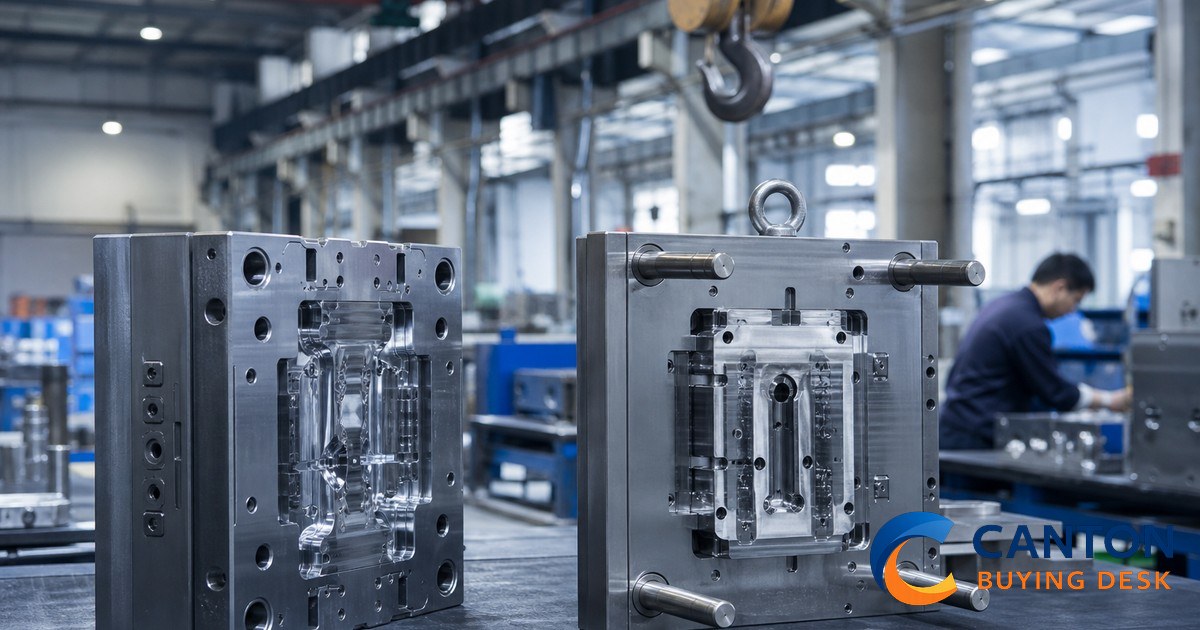
Tooling ownership in China: beyond payment—it’s enforceable control
Tooling ownership and mold release clauses in China contracts turn routine sourcing into high-stakes property matters. Paying for a mold does not make it yours. True ownership requires binding contracts, clear access protocols, and physical safeguards you can enforce when disputes arise.
On the desk: on-site sourcing services, our sourcing engagement process, NPI timeline for hardware built in China: EVT DVT PVT gates, and Payment terms with China suppliers: deposits, milestones, and LC.
Mold release fee China: understand the cost of exit
A mold release fee China is often framed as compensation for engineering labor, spare cavity upkeep, and production disruptions. Its fairness hinges on upfront capitalization, documented terms, and whether tooling costs were already amortized into unit prices. Ambiguity here guarantees conflicting interpretations during conflicts.
Case study: NRE tooling agreement ambiguity leads to dispute
An importer assumed their NRE tooling agreement granted full mold ownership after hitting a production threshold. The supplier argued the importer only owned design data—not the physical mold—until paying an extra maintenance settlement. Both sides held documents, but definitions of “release” clashed.
The result: costly legal battles, factory standoffs, and emergency shipments from alternative vendors. A simple signed checklist at tooling acceptance would have prevented this.
Mold storage supplier China: custody equals quality continuity
Mold storage supplier China practices directly impact long-term quality. Corrosion, mishandling, and unauthorized modifications happen unsupervised. Define storage conditions, inspection frequency, and strict engineering change authorization.
- Stamp molds with unique IDs matching contract schedules and photos
- Track inserts and hot-runner components as formal assets
- Document revisions to block unapproved tweaks
CAD, STEP files, and digital handoff clarity
Tooling disputes often boil down to control of master design data. Your NRE tooling agreement must specify exact deliverables: STEP files, detailed drawings, tolerance specs, revision tables, and transfer timelines. Vague handoff terms lead to endless delays.
Spare parts: the hidden balance sheet items
Disputes frequently erupt over spare electrodes, inserts, and hot-runner tips. List them as owned assets, photograph serial numbers, and conduct formal inventory counts at release. Undocumented parts mean double payments.
Multi-cavity tooling: define ownership per cavity
For multi-cavity tooling, outline ownership and release rules for every cavity and SKU. Suppliers may interpret “mold release” as partial handover. Create detailed asset inventories with IDs, locations, and custody signatures.
- Require dated maintenance logs with technician names and wear metrics
- Secure trial shot approval rights before shipment
- Specify protective packaging for mold transport
Mold release fee: a cost-benefit choice
While mold release fee may seem steep, compare it to litigation costs, emergency freight, and lost revenue. A documented, clean exit is often cheaper than prolonged conflict.
How Canton Buying Desk protects your tooling rights
Canton Buying Desk negotiates fair release terms, clear custody rules, and practical transfer steps. We ensure you can move production without double-paying for tooling.
New to our buying desk? See what we do on-site and how the engagement runs.
Have questions about sourcing from the Pearl River Delta? Check our FAQ or Contact Us for a custom quote.