
Textile mill audit China: dye lots, shrinkage, and sub-supplier maps
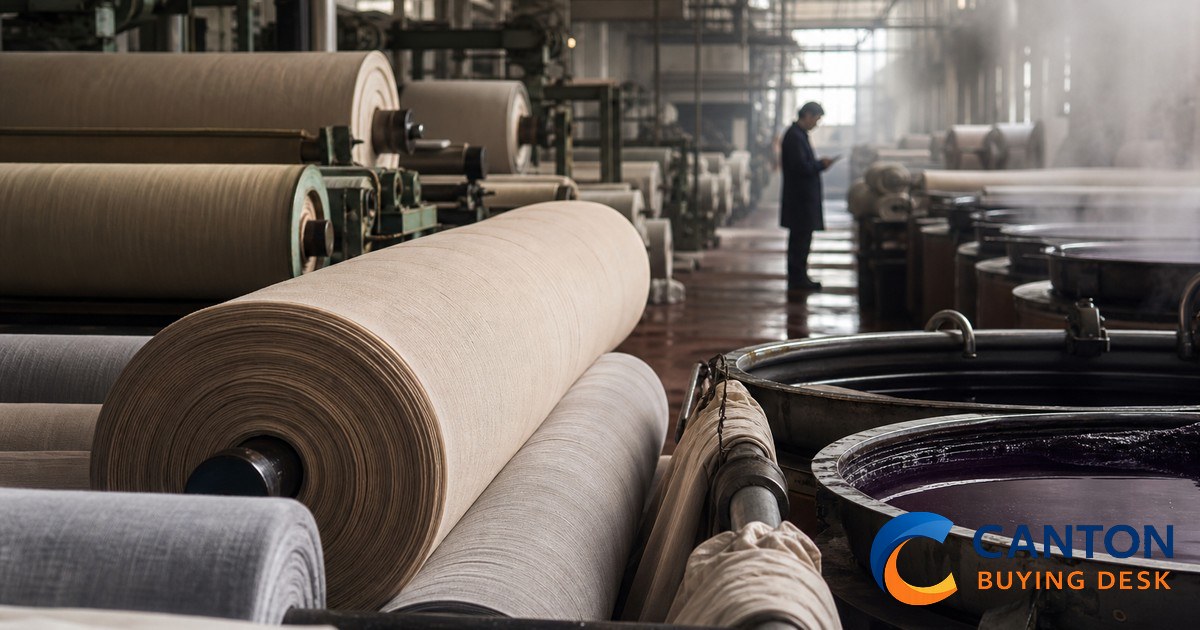
A Textile Mill Is a Supply Chain Inside a Warehouse
A textile mill audit China is far more than a loom tour. It assesses how raw fiber becomes finished fabric rolls under tight deadlines—while labor standards, chemical handling, and subcontracting practices either protect or quietly undermine your brand’s integrity.
On the desk: on-site sourcing services, our sourcing engagement process, Furniture factory audit China: joinery, coatings, and pack-out tests, and Cosmetics packaging inspection China: leaks, labels, and batch codes.
Case Study: The “Mill” That Outsourced Critical Finishing
A buyer audited a reputable mill but missed that key finishing work was done overnight at an undisclosed workshop. Lead times seemed reliable until color fastness fluctuated unexpectedly. The root issue was not just dye chemistry—it was gaps in subcontractor disclosure textile that concealed who controlled the actual production recipe.
After remediation, the program mandated written disclosure maps, greige fabric release controls, and random traceability checks on roll tags.
Fabric Mill Social Audit: Signals Beyond Checklists
A credible fabric mill social audit combines documentation with floor‑level observation: youth labor policies, overtime accuracy versus official records, on‑site dorm conditions, and usable emergency exits during peak‑season inventory buildup.
- Interview triangulation: Verify scheduling details via multiple staff members
- Peak‑season payroll validation: Match wages to busy periods, not just calm audit weeks
- Full subcontractor registry: Include transport and finishing partners, not just weaving facilities
Social risk is seasonal; audits must assess operational changes during peak delivery windows.
Sub‑Supplier Disclosure Textile: Make Hidden Partners Visible
Textile supply chains rely on subcontractors for extra capacity and specialized treatments. The critical question is whether subcontracting is managed or hidden. Strong programs require written pre‑approval for all subcontracted steps, with QA access rights at those sites.
Reluctance to disclose partners signals sourcing risk equal to price volatility—it often drives both.
Roll Inspection AQL: Systematic Cuts Beat Intuition
Hand‑feel has limits; roll inspection AQL ensures defensible quality control. Fabric roll protocols must address edge‑to‑edge variation, bow/skew defects, shade banding across dye lots, and documented sampling positions—not just the pristine outer three meters.
Technical Red Flags on the Floor
- Inconsistent lot tagging between raw greige and finished rolls
- Chemical storage without readable, local‑language SDS binders at the line
- Maintenance logs that do not match actual equipment run hours
For color‑critical contracts, cross‑reference physical rolls with approved lab dip samples.
Chemical Management and Effluent Reality Checks
Textile mills face inherent chemical risk from dyes, fixing agents, and cleaning solutions. Auditors must verify the following.
- SDS accessibility in workers’ native language
- Secondary containment for chemical storage drums
- Effluent treatment records matching production volumes (not just permits)
Confirm controls for recipe changes when dye suppliers are swapped. “Minor” substitutions can alter fastness results despite passing visual checks. Require lot‑linked recipe sheets and retained dye lot samples for dispute resolution.
Roll Mapping: Traceability from Greige Receipt to Finished Goods
Traceability is both social and technical. Map the full chain: greige receipts, processing tickets, and finished roll IDs. If the mill cannot reconcile roll lengths to yield assumptions, your costing and shade consistency models are fragile.
How Canton Buying Desk Delivers Rigorous Textile Audits
Effective textile programs need auditors who read beam charts and timecards alike. Canton Buying Desk designs mill audits integrating social compliance signals, subcontractor maps, and structured roll sampling. We validate disclosed capacity matches actual work through supplier verification and on‑site audits.