
Incoterms 2020 for China sourcing: EXW vs FOB risk transfer
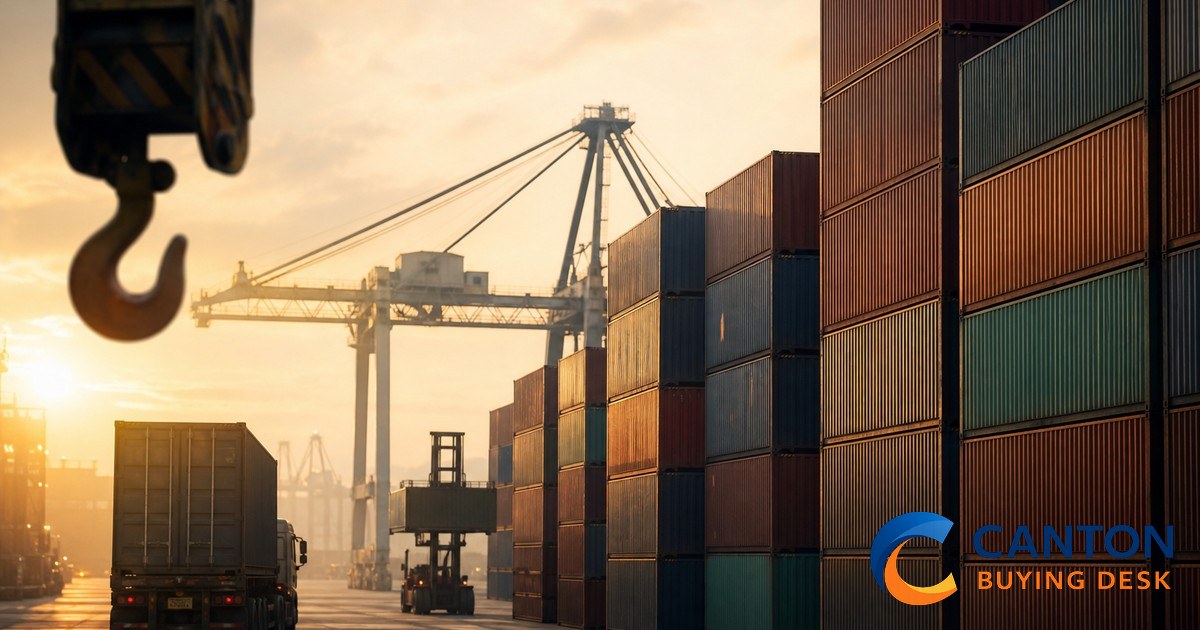
Case Study: Margin Vanished Between Dock Photos and Final Invoices
A New Zealand outdoor retailer we supported assumed they were buying under FOB terms because an email subject line stated FOB. However, the supplier priced goods on an EXW basis, while the client’s forwarder expected yard storage and VGM filing costs to be included.
Demurrage fees accumulated, insurance disputes arose, and both sides discovered the Incoterm listed in the purchase order fine print never matched expectations. Incoterms China sourcing disputes are costly precisely because they seem trivial—until they are not.
On the desk: on-site sourcing services, our sourcing engagement process, MOQ negotiation with China suppliers: ladders, tooling, and trial orders, and Third party inspection Guangzhou: when to add DUPRO to your program.
FOB Shanghai vs Guangzhou: Geography Affects Costs and Risk
Choosing FOB Shanghai vs Guangzhou is not a cosmetic preference; it directly impacts inland trucking, terminal practices, and liability for miscommunication at the wrong port. Shanghai may suit certain vessel routes, while Guangzhou better serves Pearl River Delta manufacturing clusters with shorter inland haul distances.
Always specify the exact named port of shipment and align it with the actual export flow. Factories located far from the named port’s hinterland can quietly inflate costs through hidden pre‑carriage fees.
EXW Factory Pickup: Flexibility with Full Buyer Responsibility
EXW factory pickup appears straightforward—collect goods, load, and ship—but it transfers risk and cost to the buyer much earlier than many realize. Under EXW, you assume responsibility for loading labor, export clearance coordination, and scheduling delays if your truck arrives late (including factory storage fees).
EXW works for experienced importers with bonded logistics partners; it creates costly surprises for teams who mistakenly believe EXW means “the supplier handles everything until ocean shipping. ”
CIF Insurance Clarity: Define Coverage, Beneficiaries, and Claims
CIF insurance clarity is critical. While CIF includes insurance in theory, inadequate coverage or unclear beneficiary details often catch new buyers off‑guard.
Clearly define policy type, currency, claims jurisdiction, and whether your company is named as the insured party or just a certificate holder. Suppliers cutting insurance costs to save money may leave you exposed when water‑damaged cartons arrive.
Pair CIF agreements with explicit risk transfer terms to align finance and logistics teams.
Risk Transfer: The Misunderstood Handoff Under Incoterms 2020
Risk transfer under Incoterms 2020 refers to when loss or damage liability shifts from seller to buyer—not when payment is confirmed via chat. Under FOB, risk formally transfers when goods cross the ship’s rail at the named port.
In practice, disputes arise when containers are stuffed at a supplier’s yard days earlier. Document stuffing locations, container seal responsibility, and timestamped seal records.
The New Zealand retailer nearly faced a costly dispute when goods were loaded three days before vessel departure with no clear audit trail.
Incoterms Checklist: Align Legal and Operational Teams
- Use identical port/point names across POs, invoices, and booking instructions
- Explicitly assign responsibility for export clearance, trucking, terminal fees, and THC
- Name insurance beneficiaries and specify minimum coverage for CIF/CIP terms
- Maintain photographic seal logs and stuffing timestamps tied to Incoterm agreements
Guangzhou‑Foshan Drayage Realities
In the Pearl River Delta, inland routes often involve feeder yards and river barges. Clarify whether “FOB” pricing includes cross‑river transport or secondary warehouse handling. Ambiguous drayage terms let factories quietly pass extra costs into unit prices, distorting landed cost calculations. A local sourcing desk familiar with regional logistics prevents these hidden markups.
How Canton Buying Desk Aligns Terms with On‑Site Reality
Paper Incoterms only protect profits if they match real‑world execution. Canton Buying Desk reduces sourcing risk through supplier verification, structured factory visits, and on‑site audits that validate EXW factory pickup, FOB Shanghai vs Guangzhou, and CIF insurance clarity practices across the Guangzhou‑Foshan corridor. Secure terms that hold up during loading‑day pressure by anchoring reviews where containers are stuffed—not just where contracts are signed.